All Categories
Featured
Table of Contents
Follow these steps to bring your yard back to life. Begin by cutting your lawn to a height of 1-and-1/ 2 inches.
Collect the grass clippings to avoid smothering the yard. Next, use a dethatcher to get rid of dead turf and thatch. This procedure opens the yard, allowing air, water, and nutrients to reach the soil more quickly. Rake up and get rid of the thatch pulled from the yard. Utilize a gas-powered core aerator to create small holes throughout the lawn.
Roger Cook, This Old House landscape contractor, discusses the mechanics: "The gas engine drives these spikes down into the ground. As they revolve, they go into the ground, come out, and they take out a casting, a piece of dirt, and it lays on the surface area in fact leaving a hole in the yard.
Garden compost adds nutrients and enhances soil structure. Conduct a soil test to analyze the physical structure and nutrient material of your soil.
Top Grass Varieties for Hot Exposures
Utilize a broadcast spreader for even circulation. Overseed the lawn with brand-new turf seed. Cook advises using a blend of turf seeds and using it at a rate of about 7 pounds per 1,000 square feet. Use the back of a leaf rake to work the seed gently into the soil.
This regular, light watering promotes seed germination and facility. Perennial ryegrass will sprout in five to 7 days, with other lawn types taking a little longer. Roger Cook, This Old Home landscape specialist, recommends: "Typically, provide turf seeds a 5-minute shower 2 or 3 times a day. Once they sprout, spray them when in the early morning for about 20 minutes.
Spread the topdressing material equally throughout the yard and work it in with a rake. Reliable weed management is essential throughout the lawn restoration process.
Essential Tips for Maintaining Total Turf Health
Keeping weeds in check during the facility stage makes sure that your new yard can grow without competitors. Keeping the suitable soil pH is crucial for ideal grass development. Regularly evaluate your soil's pH and make modifications as needed. Lime can be contributed to raise pH, while sulfur can reduce it.
Here are some suggestions to keep your yard looking its finest: Aerate and dethatch every year or as needed. Apply fertilizer according to your grass type and soil needs. Control weeds through proper lawn care practices and spot treatments. Mow routinely at the suitable height for your yard type. Water deeply but occasionally to encourage deep root growth.
Be prepared to address the following: New turf requires constant moisture to germinate, while established lawn has different water requirements. Excessive water can trigger root rot in mature lawn, while insufficient can prevent brand-new seeds from sprouting. Changing your watering schedule or using sprinklers created for even coverage can assist manage this balance.
This can lead to uneven lawn coverage and lost effort. Even with cautious seeding, some areas might grow faster or more largely than others, leading to a patchy lawn.
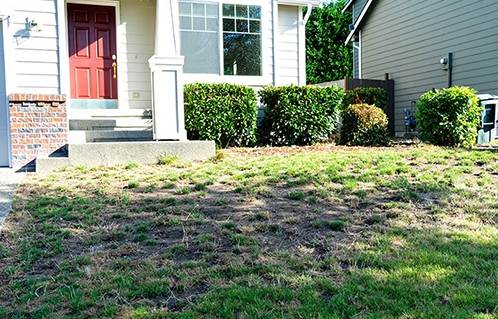
Weeds can rapidly make the most of the bare areas or thin locations in a rejuvenating lawn, outcompeting young lawn. Utilizing a starter fertilizer with pre-emergent weed control or manually removing weeds can assist decrease their spread throughout this susceptible stage.
Key Grass Varieties for Sunny Exposures
A lush, green lawn not just enhances the aesthetic appeal of your home but likewise serves as an inviting outside space for relaxation and recreation. As the gateway to your house, the condition of your yard plays a vital function in creating a positive impression. A well-manicured lawn contributes to the total charm of your property and can even increase its market value.
That's where our yard remodelling guide can assist you. Yard restoration goes beyond routine upkeep; it involves a tactical overhaul to attend to existing issues, enhance soil health, and enhance general resilience.
Before diving into the remodelling procedure, it's crucial to conduct a comprehensive assessment of your lawn's existing condition. Stroll through your lawn and remember of locations that may need attention. Try to find signs of wear and tear, such as bare patches, irregular growth, or the existence of weeds. Understanding the existing issues will assist tailor your renovation plan to resolve specific needs.
Recognizing the types of weeds present will direct your weed control strategy throughout renovation. Bare spots: Locate locations where the turf is sparse or absent.
What Is the Best Grass Seed for Bright GardensDIY Steps for Rejuvenating Damaged Grass
To produce a tailored prepare for your lawn's dietary requirements, perform a soil test. This analysis provides insights into your soil's pH levels, nutrient content, and natural matter. Comprehending the soil structure assists determine the right fertilizers and changes required for optimal plant development. We recommend the MySoil Pro Pack Home Soil Test Package, which consists of a probe and two test kits so you can recheck your soil once you have actually made modifications.
mysoil-starter-pack Related: Specify goals: Describe the goals you wish to accomplish through the remodelling. Whether it's improving the overall appearance, addressing specific problems like bare patches, or boosting the yard's strength, clear goals will guide your remodelling method. Think about long-lasting sustainability: Think beyond instant cosmetic changes. Think about how your restoration can add to your lawn's long-lasting health and sustainability.
Consider the expenses associated with purchasing quality turf seeds or sod, fertilizers, soil modifications, and any essential equipment like aerators or spreaders. In addition, factor in the prospective expenditure of professional services or specialized tools if your task requires them. While it may be tempting to cut corners to reduce expenses, purchasing top quality seeds, fertilizers, and soil changes is important for the long-term success of your yard.
A properly maintained yard typically requires less maintenance and restorative procedures over time, potentially decreasing future costs. Research turf types appropriate to your region, thinking about aspects like temperature, sunshine, and soil conditions.

Latest Posts
Choosing Between An Amsterdam Relationship Guru And Other Assistance Options
Essential Natural Lawn Care Tips for Your Gardener
Comparing Organic Fertilizer Alternatives Vs Synthetic Products