All Categories
Featured
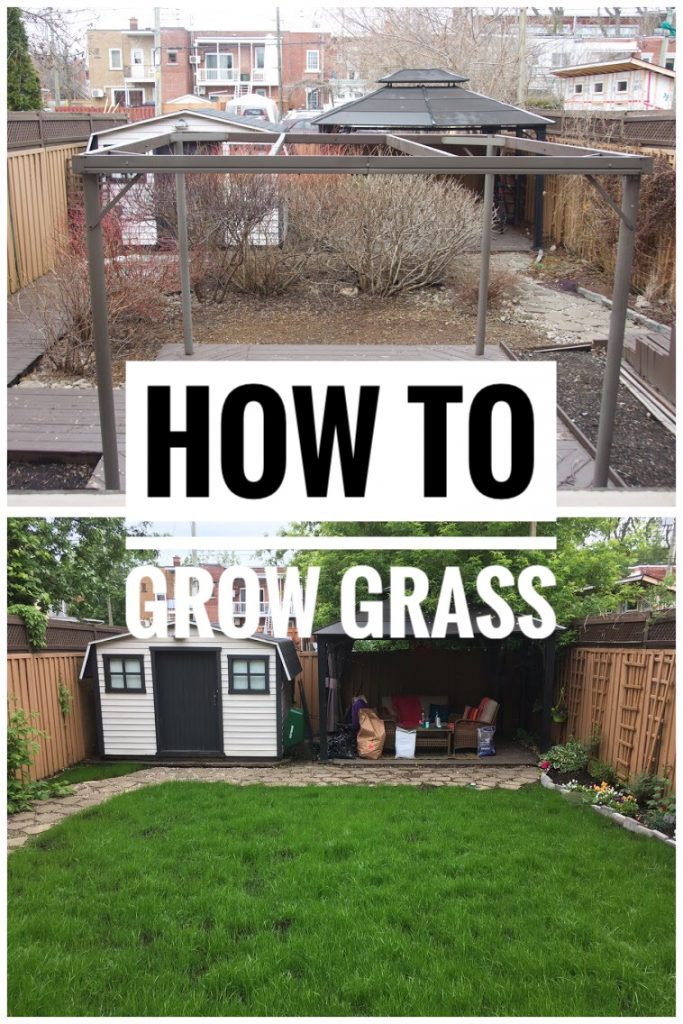
Before diving into the restoration process, it's essential to perform an extensive evaluation of your lawn's present condition. Stroll through your backyard and remember of locations that may require attention. Search for signs of wear and tear, such as bare spots, uneven development, or the existence of weeds. Comprehending the existing issues will assist tailor your renovation strategy to resolve specific requirements.
Recognizing the types of weeds present will direct your weed control strategy during remodelling. Bare spots: Find areas where the lawn is sparse or absent.
Protecting Long-Term Health PermanentlyStrategic Turf Renovation Secrets for SuccessTo create a tailored plan for your lawn's nutritional needs, perform a soil test. Comprehending the soil composition assists determine the best fertilizers and changes needed for optimal plant growth.
Protecting Long-Term Health PermanentlyStrategic Turf Renovation Secrets for SuccessHow to Boost Lawn Soil Quality Naturally
mysoil-starter-pack Related: Specify objectives: Outline the objectives you wish to accomplish through the restoration. Whether it's improving the total appearance, attending to particular problems like bare spots, or improving the yard's strength, clear objectives will assist your restoration strategy. Think about long-lasting sustainability: Believe beyond immediate cosmetic changes. Think about how your restoration can add to your lawn's long-term health and sustainability.
Think about the expenses associated with buying quality grass seeds or sod, fertilizers, soil amendments, and any essential devices like aerators or spreaders. Furthermore, element in the potential expenditure of professional services or specialized tools if your job necessitates them. While it may be tempting to cut corners to reduce costs, purchasing top quality seeds, fertilizers, and soil changes is vital for the long-term success of your lawn.
Beyond the immediate costs, also consider the long-term savings that an effective restoration can bring. A properly maintained lawn frequently needs less upkeep and restorative steps gradually, possibly minimizing future expenses. Research regional ranges: Different turf ranges thrive in specific climates. Research study turf types appropriate to your region, considering factors like temperature, sunlight, and soil conditions.

Latest Posts
Choosing Between An Amsterdam Relationship Guru And Other Assistance Options
Essential Natural Lawn Care Tips for Your Gardener
Comparing Organic Fertilizer Alternatives Vs Synthetic Products