All Categories
Featured
Table of Contents
Green manures reduce weeds, help to preserve the soil fertility, and avoid disintegration. Plants utilized as green manures have different qualities and can be selected to deal with problems specific to a specific land. Some, such as phacelia, are particularly excellent at bring in useful pests. Others, such as lucerne, have deep roots that improve the soil structure and bring nutrients to the surface area.
And yet more, such as plants of the bean family, enhance the soil with nitrogen. Most commonly used green manures are phacelia, mustard, oats, rye, common vetch, beans and peas, clover, lucerne and buckwheat. ***Check out more about green manures: Green Manures: Vegan and Organic Soil Improvers Mulch is plant material used to cover the soil in preparation for planting and, importantly, while plants are growing.
Mulch enhances the soil with organic matter and minerals. As many experiments have actually shown, rotting plant product is taken into the soil by earth worms, improving the structure and nutrient material of its lower layers. Mulch is fantastic for beneficial organisms residing in the soil. In nature the soil is constantly covered with growing plants in spring and summer, or with dead plants in autumn and winter season.
Boosting Optimal Turf Health During Sunny Conditions
It also maintains moisture in the soil and decreases the need for watering. Mulch does not allow the soil to overheat in warm and warm weather condition.
Garden compost is decayed raw material. It is a reliable soil improver and an outstanding method of recycling vegetable waste from the cooking area, weeds, pruned branches, cut lawn, autumn leaves and any other plant material. Garden compost motivates the growth of advantageous organisms in the soil, such as earth worms. There are a couple of types of product that should not be composted.
It is also not recommended to compost plants with insects and illness. Most importantly one must not utilize plants polluted with herbicides and other chemicals.
Much more reason to attempt making your own compost! They are made from the exact same product. With mulch decay happens where plants grow, whereas with garden compost it happens in a separate devoted location. So what is better? There are a number of things to think about. 1. Making garden compost requires time it requires at least a year.
Essential Organic Lawn Care Practices for Every Homeowner
Ideally, garden compost also needs to be combined routinely to end up being ready earlier. Mulch does not need any of this. Composting takes place on flower or vegetable beds and the benefits are immediate. 2. Mulch, if it is raw plant material, such as weeds or cuttings, can look untidy. Reliable compost looks cool and might be much better for a small decorative garden.
Raw plant material can encourage some bugs. This is, however, not an issue for gardeners who have been gardening organically for some time and have a natural balance of predators and victim on their land.
4. Even if raw plant product is not ideal for a wet start of the growing season, it might be the best choice later on in the summer season when hot and dry weather condition sets in. It avoids the soil from overheating, unlike dark-coloured products, such as bark and garden compost. 5. If conditions enable, mulch made from raw plant material is much better for plants than garden compost.
In a procedure known as photosynthesis plants utilize light energy to transform carbon dioxide and water into glucose. Glucose is then turned into other compounds that plants need to grow and live.
Achieving Sustainable Lawn Density Via Organic Means
When we use uncomposted plant material as mulch, we provide plants with carbon dioxide. And it is released precisely where it is required where plants grow.
Roughly chop the plants, such as grass, nettles, comfrey, dandelions or chickweed. Put them in a container making it half or as much as two thirds complete. Fill the container with water. Cover it, however leave an opening for gasses to leave. Plants will ferment and the fertilizer will be prepared after about two weeks.
One can likewise include ash from wood burning to the fertilizer to make it even richer. Use 1 glass of ash to 10 litres of fertilizer. Image credits: Included image Masashi Yanagiya; Phacelia by Peter Castleton; Vegetable Spaghetti by hardworkinghippy.
The great aspect of growing plants is that you might use kitchen area wastes as fertilizers. Obviously, not all family wastes make excellent plant fertilizers so be conscious of the types of wastes that you utilize to enhance the soil. In this guide, we are note down a few of the best products that make wonderful natural fertilizers: Utilized coffee premises are among the finest materials for composting.
Essential Natural Lawn Care Tips for Every Gardener
Improving your soil with used coffee premises helps the plants take in more nutrients. When used as a fertilizer, utilized coffee grounds supports photosynthesis also. There is no special preparation required to utilize coffee grounds as plant fertilizer but we recommend mixing the coffee premises with the soil. The nitrogen from the utilized coffee premises won't be launched right away.
Use the banana peels as fertilizers to offer your soil a boost of potassium. Banana peels are likewise a rich source of calcium and magnesium, nutrients that will reinforce your plants and boost photosynthesis.
To utilize banana peels as a plant fertilizer, let the peels high in plain water for 3 to 7 days. Use the water to hydrate your plants, the nutrients from the peels will be taken in by the plants far more quickly in this manner. The peels must still be great to use for your compost pile.
How to Boost Your Soil Fertility Naturally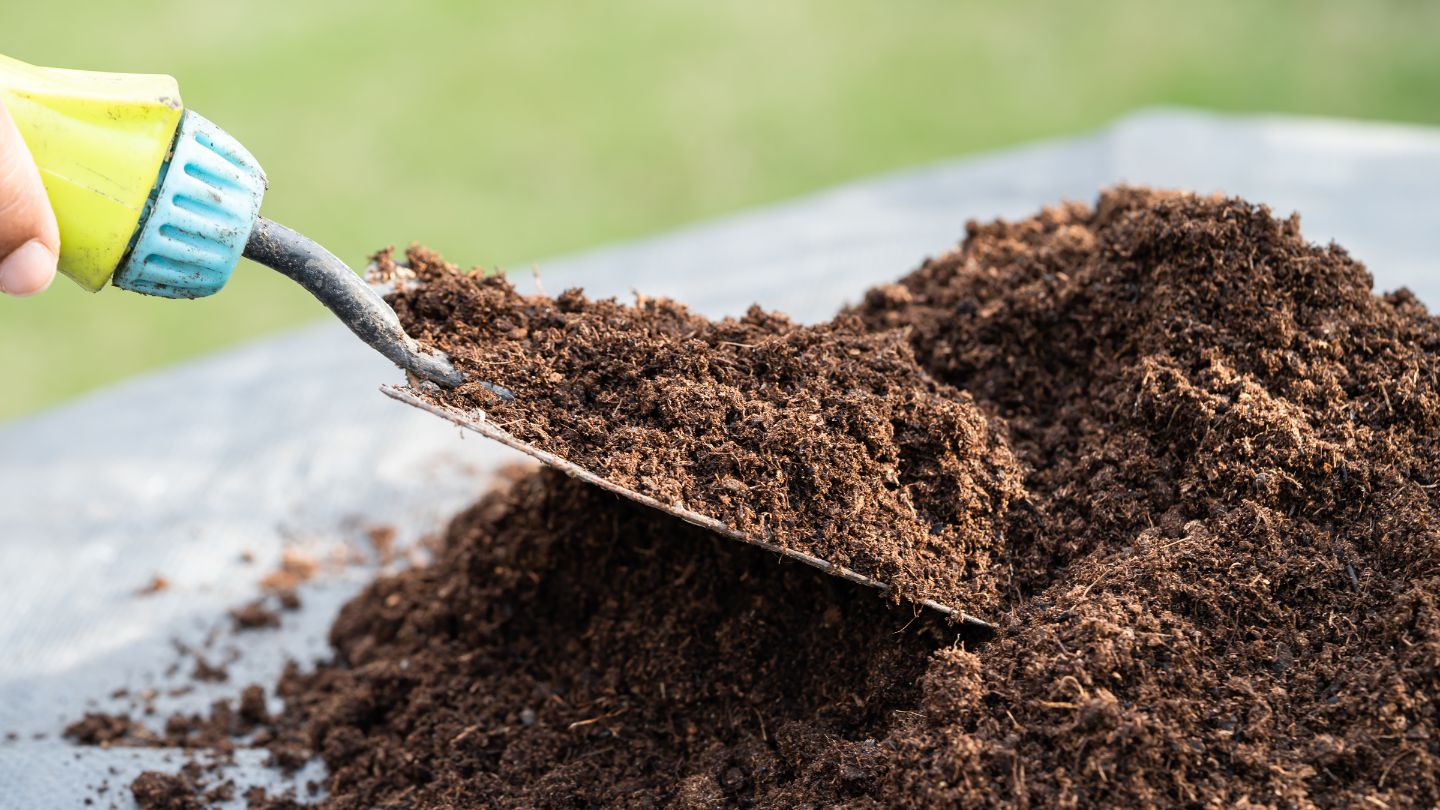
Eggshells are not only extensively available; they're likewise economical and easy to utilize. These nutrients increase soil fertility while reinforcing plant cell walls. Do note, nevertheless, that the nutrients from eggshells are not bio-available, which indicates the eggshells have to break down first so the vitamins are taken in by the plant roots.
Scientific Turf Practices for Healthier Greenery
A fantastic pointer would be to process the eggshells in a high-powered mixer to make a fine powder. By squashing the eggshells into a great powder, the nutrients are more quickly taken in into the soil. Do not spray the crushed eggshells on top of the soil unless you are preventing slugs from invading your garden.

Latest Posts
Choosing Between An Amsterdam Relationship Guru And Other Assistance Options
Essential Natural Lawn Care Tips for Your Gardener
Comparing Organic Fertilizer Alternatives Vs Synthetic Products